Codeling Blog
News, tips and learning from the world of backend software development.
What Is a Pull Request: PR Lifecycle & Best Practices 2026
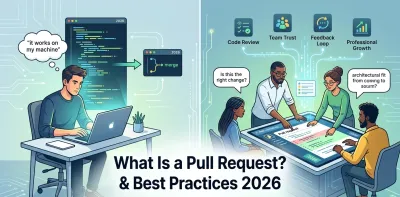
15 June 2026A pull request is a formal request to merge code from one branch into another, and it gives your team a place to review and discuss the change before it goes live.
How to Build an API: Sustainable Design Principles
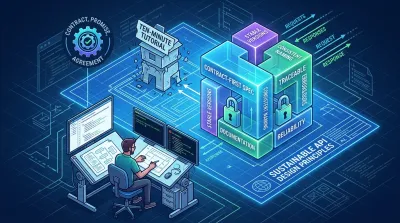
8 June 2026If you want to learn how to build an API in a way that prepares you for backend work, start thinking like an architect, not a route factory. Good APIs aren't piles of endpoints. They're contracts, operating systems for other software, and long-term promises to clients.
Ace Backend Interview Questions
5 June 2026Most advice about backend interview questions starts in the wrong place. It tells you to grind algorithms until pattern recognition becomes automatic, then hope the rest of the interview works itself out.
Database Migration Strategies: A Developer's Guide
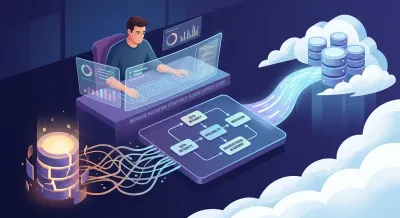
1 June 2026Most junior developers think of migration as a script-writing problem. Senior engineers know it's an architectural decision problem.

Python Project Ideas: Build a Strong Backend Portfolio
28 May 2026A good project does more than show that you can write Python. It shows that you can build software with constraints, make trade-offs, and finish the unglamorous parts such as validation, error handling, tests, documentation, and deployment.
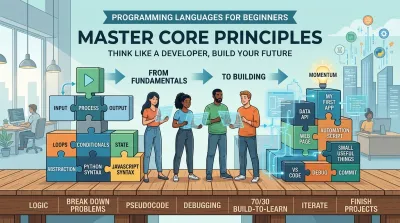
Programming Languages for Beginners: Master Core Principles
27 May 2026Most advice about programming languages for beginners starts in the wrong place. It treats the first language like a permanent identity decision.
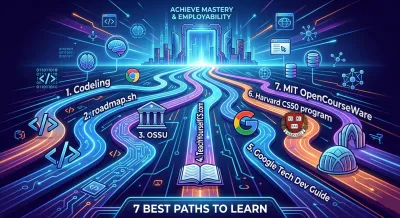
Your 2026 Computer Science Roadmap: 7 Best Paths to Learn
26 May 2026If you're overwhelmed, that's normal. This guide cuts through the noise by treating each computer science roadmap as a distinct path, with clear trade-offs, best-fit learners, and advice on what is effective.
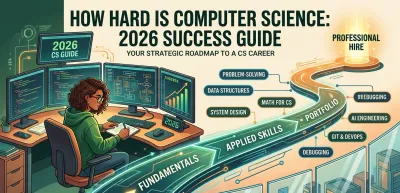
How Hard Is Computer Science: 2026 Success Guide
25 May 2026The core issue isn't whether CS is hard in some abstract universal sense. The useful question is what makes it hard for a specific learner, at a specific stage, and what system reduces that difficulty
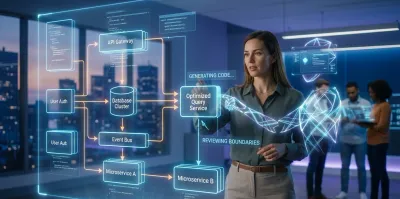
Will AI Replace Developers? The Real Question
21 May 2026Will AI replace developers? sounds like the wrong kind of question because it assumes software work disappears in one clean event. It does not. It gets repriced, redistributed, and pulled upward.
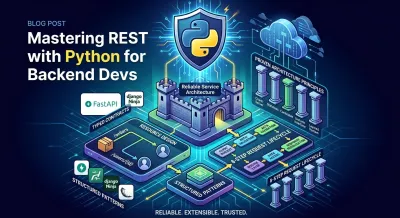
Mastering REST with Python for Backend Devs
19 May 2026Professional API work is less about memorizing decorators and more about building a mental model. You need to think in resources, contracts, failure modes, boundaries, and trade-offs.